FrontStreet Coffee found the following content related to "fruit acid" for you
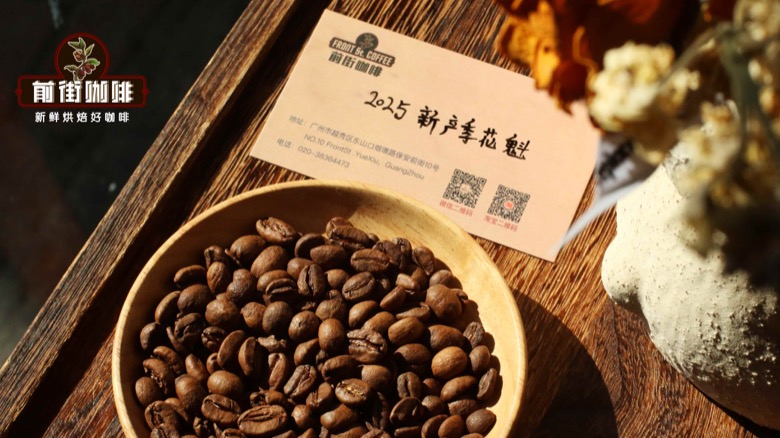
Flowery and fruity beans have their own halo, but when you use them to make a cup of black coffee (American style or hand-brewed) without sugar or milk, the expression of fruit acid is the key to success: if you make it well, the sourness and sweetness are balanced, bright and clean; if you don't make it well, it will be so sour that you will frown, and it will be as light as water. This article talks about the parameters and ideas for making black coffee from guava beans. There is only one core issue -
Read more →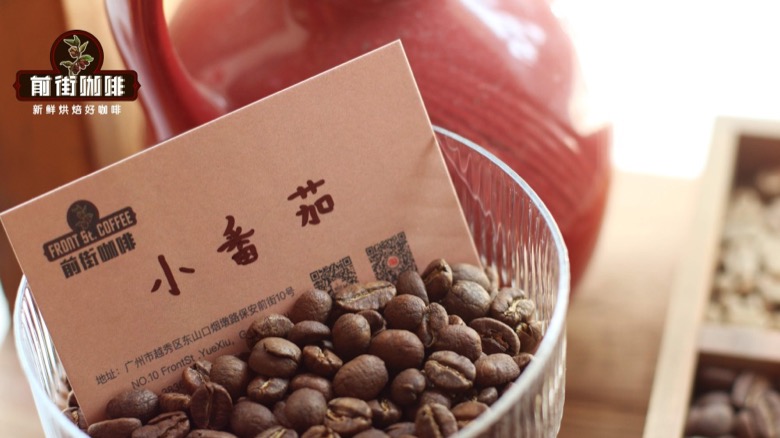
Many people will subconsciously frown when they drink sour Americano, thinking that the beans are not fresh or there is something wrong with the extraction. In fact, there is no right or wrong in acid itself, the key lies in which kind of acid it is. Common acids in American cuisine can be roughly divided into three categories: bright citrus acid, thick berry acid, and fermented acid. Different types, exchange
Read more →
On weekdays, you can come into contact with a variety of customers at the bar, and quite a few of these customers are not used to acidic coffee beans. Usually, coffee with strong acidity is lighter roasted coffee, and indeed some lighter roasted coffee has an unacceptable sourness. Therefore, the guests naturally left coffee
Read more →
Kenyan coffee has a resounding label in the specialty circle: "beautifully sour". Front Street Kenyan cherry tomatoes take this beautiful acidity to the extreme - the sour aroma of cherry tomatoes and ebony plums, coupled with the full sense of juice, is recognized by lovers of bright acidity as a favorite. A highly recognizable Kenyan Bean Street Kenny
Read more →
Ice drinks are something that is hard to give up in summer, and hand-brewed coffee is no exception. In the eyes of most of us, the requirements for a delicious cup of iced brew are actually not very high. It just needs to be cold enough without losing the proper coffee flavor. But if you want iced coffee to have a sweet and sour taste like juice, first
Read more →
Whether the coffee tastes good or not is ultimately a matter of personal taste. Some people like the bright fruit acid, which they think reflects the vitality of coffee; some people prefer the mellow sweetness, which they think is a reassuring taste. Sweetness and sourness are not mutually exclusive—many good beans have both—but know your preferences and choose your beans accordingly.
Read more →
Americano coffee is not necessarily only bitter and strong. Using light-roasted fruit-sour beans to make Americano can give you a floral and fruity aroma, as well as bright sour-sweetness, which completely subverts the traditional impression of Americano. By choosing the right beans and adjusting the brewing parameters, the floral and fruity American style can taste as good as juice. Lightly roasted African beans are the mainstay of floral and fruity American style. front street ethiopia
Read more →
Many people’s specialty coffee journey begins with a Yirgacheffe. Among the many beans in Yirgacheffe, Ding Ding is often recommended as the "first choice for beginners". What magic does it have? This article explains its flavor, production area and suitable people at once. Citrus, berry and floral notes, Yirgacheffe
Read more →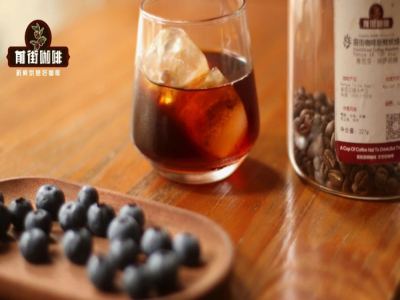
The word berry does not refer to just one type of fruit, but rather refers to a category that refers to all small, juicy fruits. But unlike tropical fruits, berries have a separate category in the new coffee flavor wheel released by SCA in 2016. The berries in the flavor wheel include Strawberry
Read more →
Perhaps many friends will be like Front Street. When it comes to sweeter coffee, two answers will pop up in their heads. One is sun-dried and the other is honey-processed. Sun-dried coffee often emphasizes the fermented aroma of ripe fruits, while honey-processed coffee tends to express a fuller and sweeter taste. It seems that these two are the same in the market.
Read more →
Perhaps many friends will be like Front Street. When it comes to sweeter coffee, two answers will pop up in their heads. One is sun-dried and the other is honey-processed. Sun-dried coffee often emphasizes the fermented aroma of ripe fruits, while honey-processed coffee tends to express a fuller and sweeter taste. It seems that these two are the same in the market.
Read more →
American beans focus on a balanced taste, Indonesia and Blue Mountain emphasize a mellow taste, while African coffee beans focus on floral and fruity flavors. Among them, Ethiopian coffee is famous for its elegant white floral aroma and bright lemon-tangerine acidity, which has left a very deep impression on many people. If you want to recommend an Ethiopian one
Read more →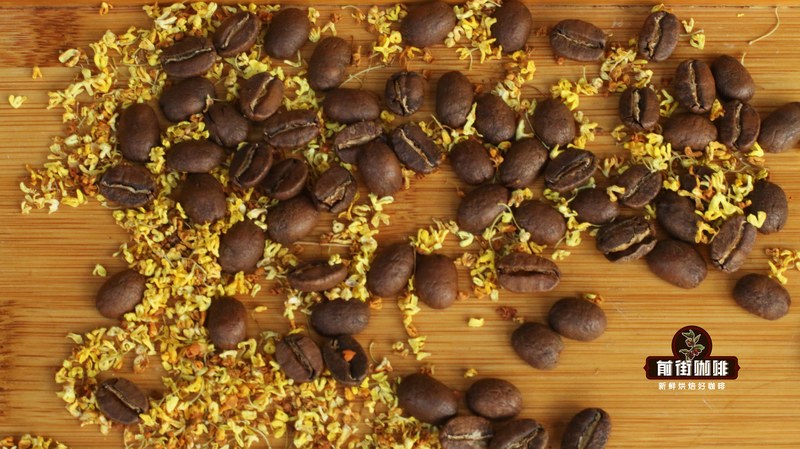
When you need a cup of coffee in the morning that is refreshing but not too sharp, fruity beans can start with a bright, acidic and refreshing finish. When brewing by hand, the water temperature does not have to be high, the grinding should be kept moderate, and water injection in stages can gradually open up the aroma. If you are used to drinking a few sips of black coffee before having breakfast, beans with citrus, berry or preserved fruit tones will be better.
Read more →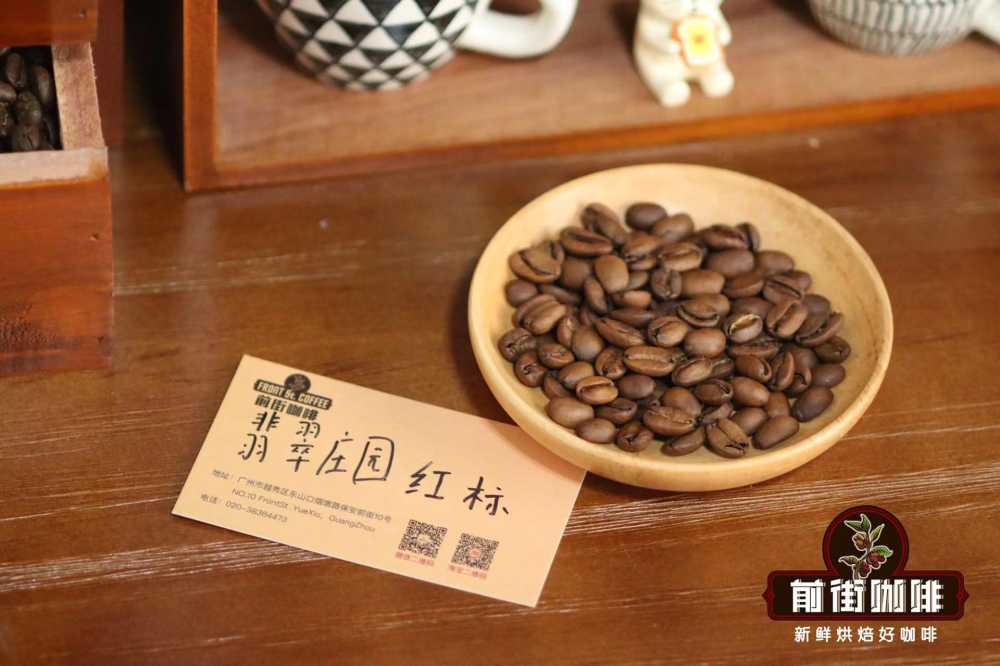
Communication with professional baristas Please pay attention to FrontStreet Coffee. Many friends have asked the baristas on Front Street: "Can you really drink so many flavors from beans? How do you drink them?" First of all, this is a question about personal senses. Everyone grows up.
Read more →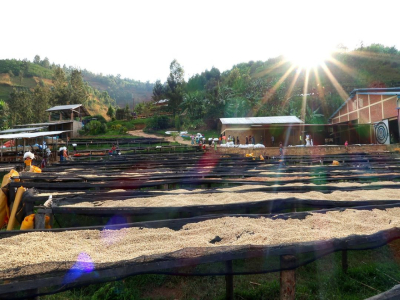
Yirgacheffe is one of the most famous and important origins in Ethiopia. It is very popular in the coffee circle because of its highly recognizable style. Therefore, people who have not tried Yirgacheffe will ask, what does it taste like when it is so famous? Is it suitable for novices to buy? Why do we say Yirgacheffe?
Read more →
Africa is the hometown of coffee and an important center for fruit-acid flavored coffee. Among the many African growing regions, Yirgacheffe and Kenya are undoubtedly the two shining stars - both are known for their bright fruit acids, but their styles are completely different. Many coffee lovers are torn between these two beans, so today I will put them together.
Read more →
The charm of hand-brewed coffee is that the same coffee fruit grown in different production areas can have completely different flavors in the cup. Since there is no interference from milk and high-pressure extraction in hand brewing, the terroir characteristics of the production area are fully amplified. Understanding the production area means understanding the flavor language of hand-brewed coffee. Ethiopia is the origin of coffee and is
Read more →
After drinking several cups of cold brew, many people will ask the same question: Using the same method, why are some cold brews "juice" and others "cold bitter water"? The answer isn’t in the recipe, it’s in the beans. Today, I will explain the process of cold brew bean selection from the three dimensions of production area, processing method, and roasting degree. I will also recommend a few recipes.
Read more →
The charm of cold brew coffee lies in the smooth taste brought by low-temperature and slow brewing, and choosing the right beans is the starting point for making a good cup of cold brew. Cold brewing uses cold water to soak coffee powder for 12 to 24 hours. The release of aromatic substances is slow in a low-temperature environment, and the amount of bitterness and acidity is also reduced accordingly. The extracted coffee liquid is overall sweeter and more acidic.
Read more →
The process of turning coffee cherries into coffee beans is called processing. There are more and more methods for processing coffee beans, but in fact, the common processing methods are still the traditional ones: sun drying, water washing, semi-water washing, and honey treatment. The structure of the coffee fruit, the cherry-like coffee fruit, consists of peel, pulp, and fruit from the outside to the inside.
Read more →Be the first to know about new bean releases, brewing tips, promotions and cupping notes

Scan to Follow Front Street Coffee on WeChat
